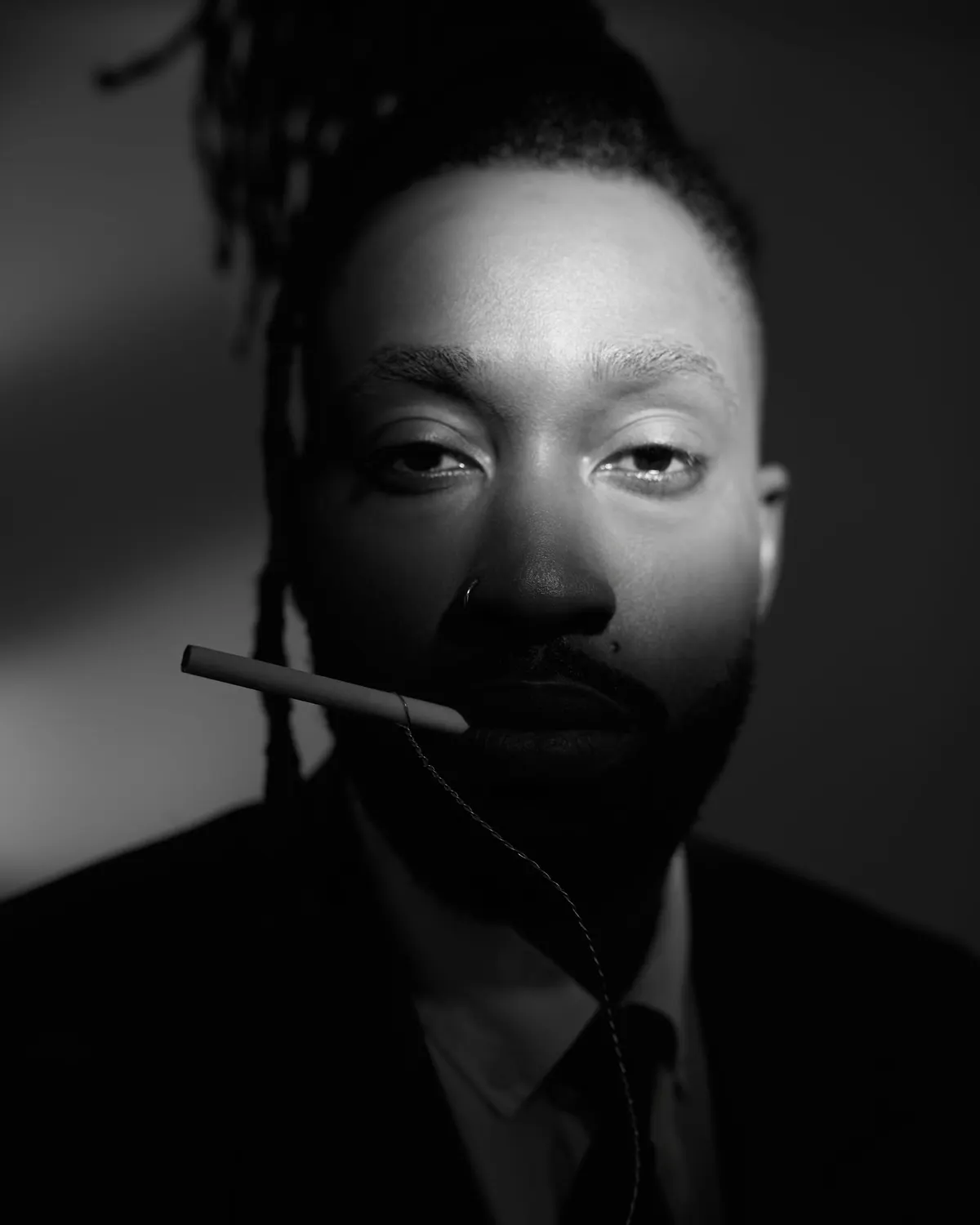
Valeria Szegal spent years trying to be two things at once, an architectural designer and an artist, until she found the one material that let her be both.
Szegal trained as an architect and spent years trying to reconcile two identities that don't always sit comfortably together."I'm what I like to call a 'front-end nerd'... someone who is technically minded to a degree, but happiest in the murky world of art and humanities." The paper reliefs, which she's been making for about a year now, are the first place she's felt both sides of that fully at home. "After years of trying to reconcile my designer and artist ambitions, I finally feel I've found something authentic to me."
Szegal builds paper reliefs: compressed, semi-3D works with real depth, built up sheet by sheet from layered paper and card. "Spatial, technical, layered" is how she describes her work, and the description doubles as a kind of biography.
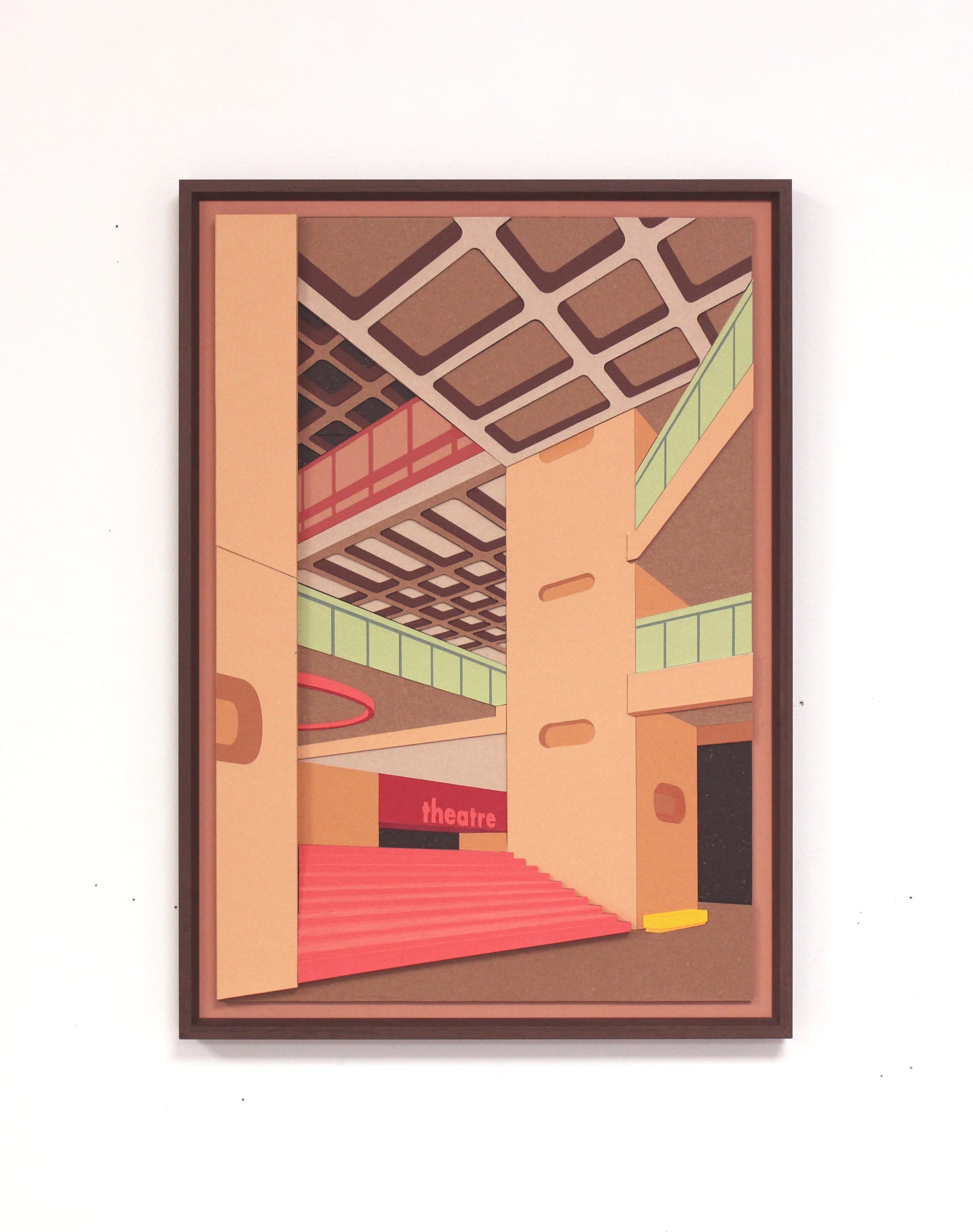
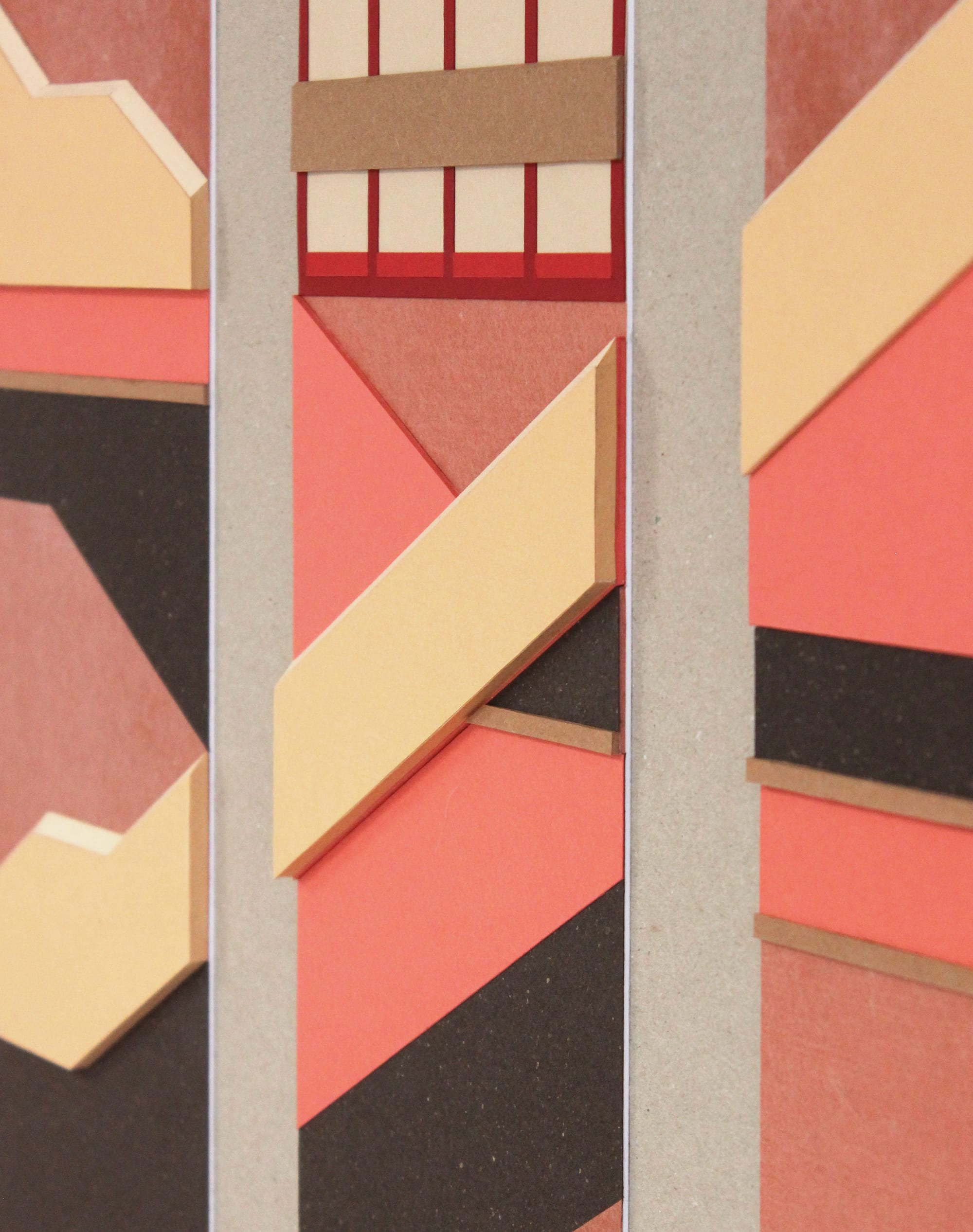
She traces the roots of her practice back further, to childhood. "Ever since I was a child I wanted to design spaces around me," she says, and architecture always felt like the obvious path. It wasn't until her masters at the Royal College of Art that she found the crossover she didn't know she was looking for, between architecture's rigour and art's freedom. She sometimes wonders whether she should have gone straight into fine art. But she doesn't stay on that thought for long. "I believe all things happen for a reason, so no, I wouldn't really change any of that"
What she's really after isn't the built form but exploring how people interact with environments. "Beyond the physical form, I try to explore the emotional connection we form with spaces" she says. "My intention is to depict this relationship, to tell stories about places." That's also, she says, what keeps the work worth making; "Building a narrative behind each piece is deeply personal for me, but seeing how people resonate with it has been really gratifying."
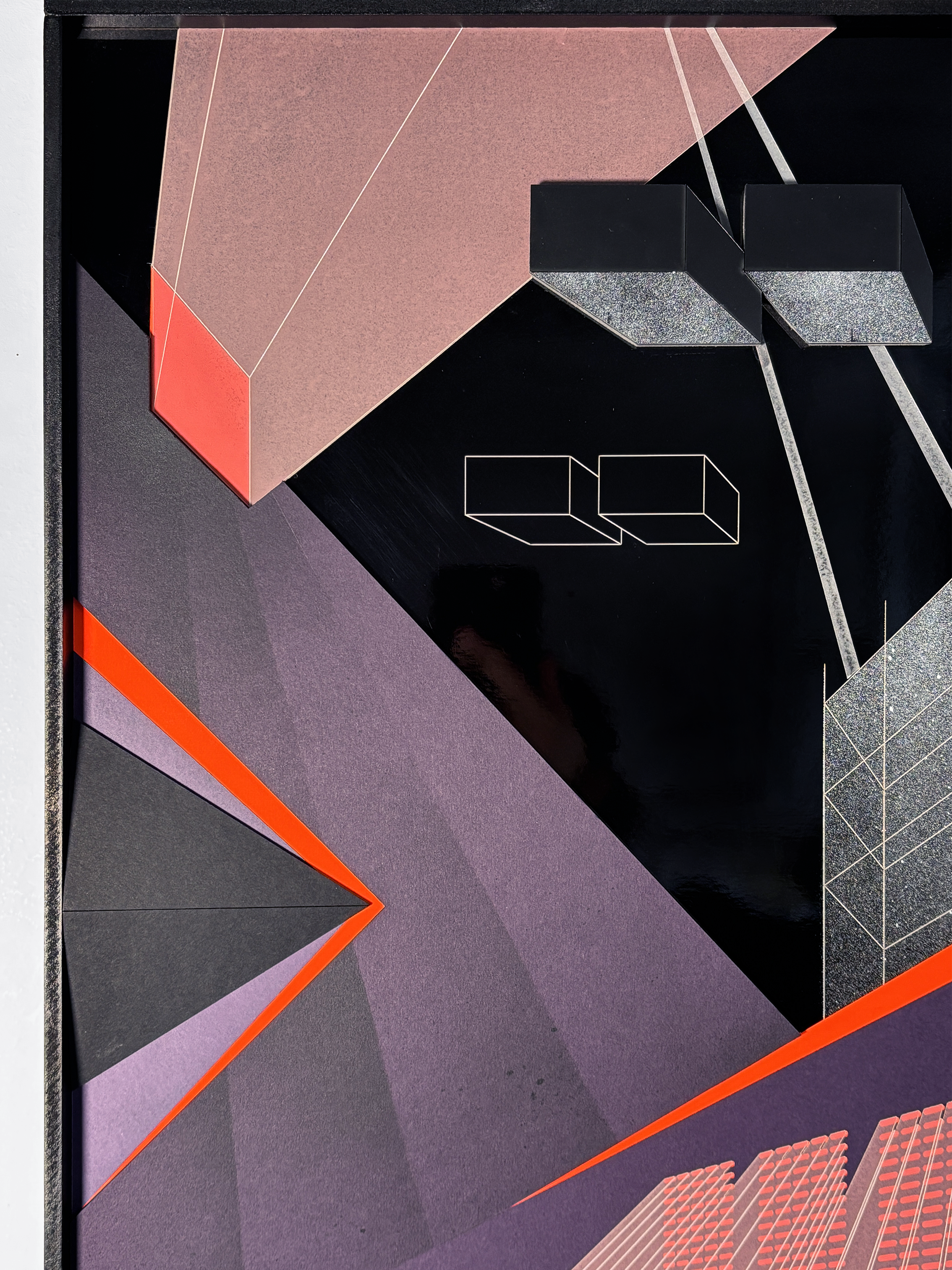
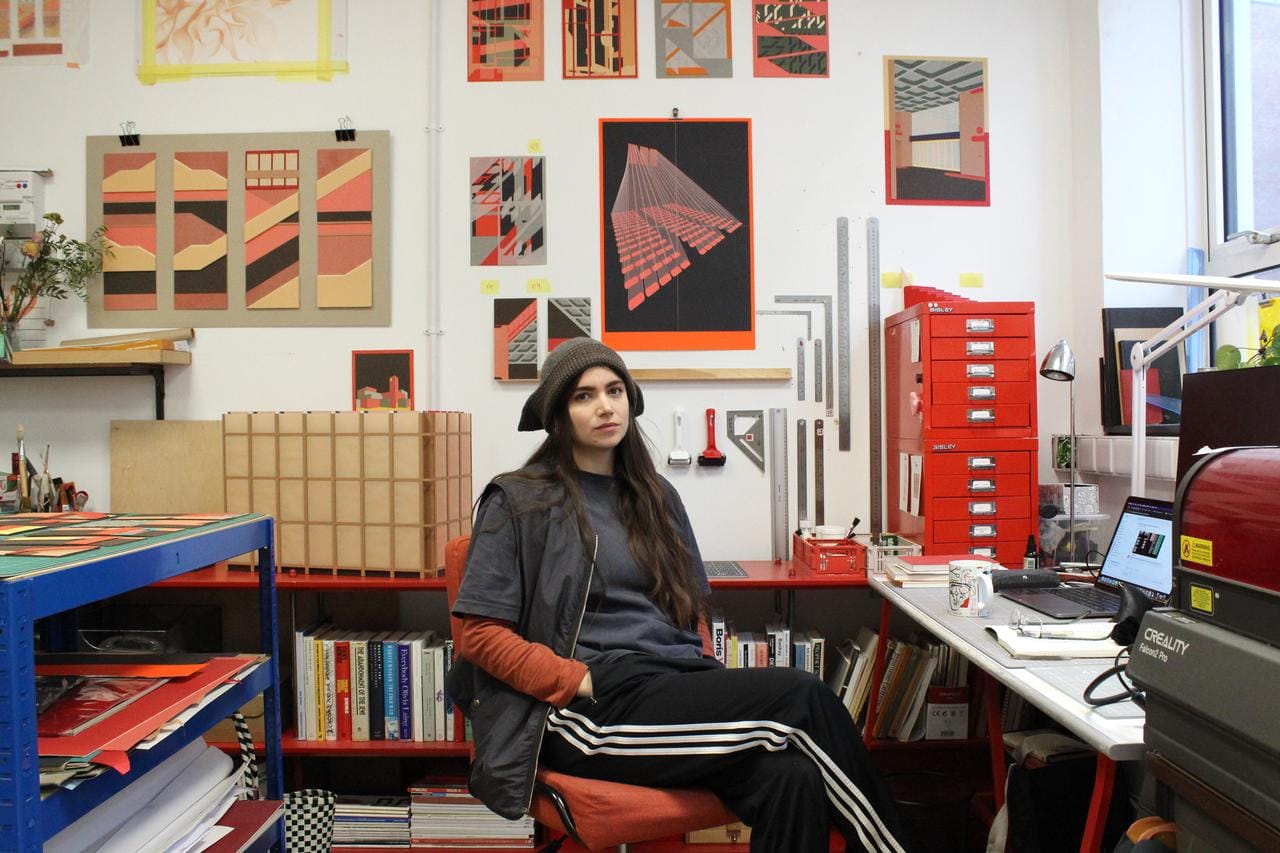
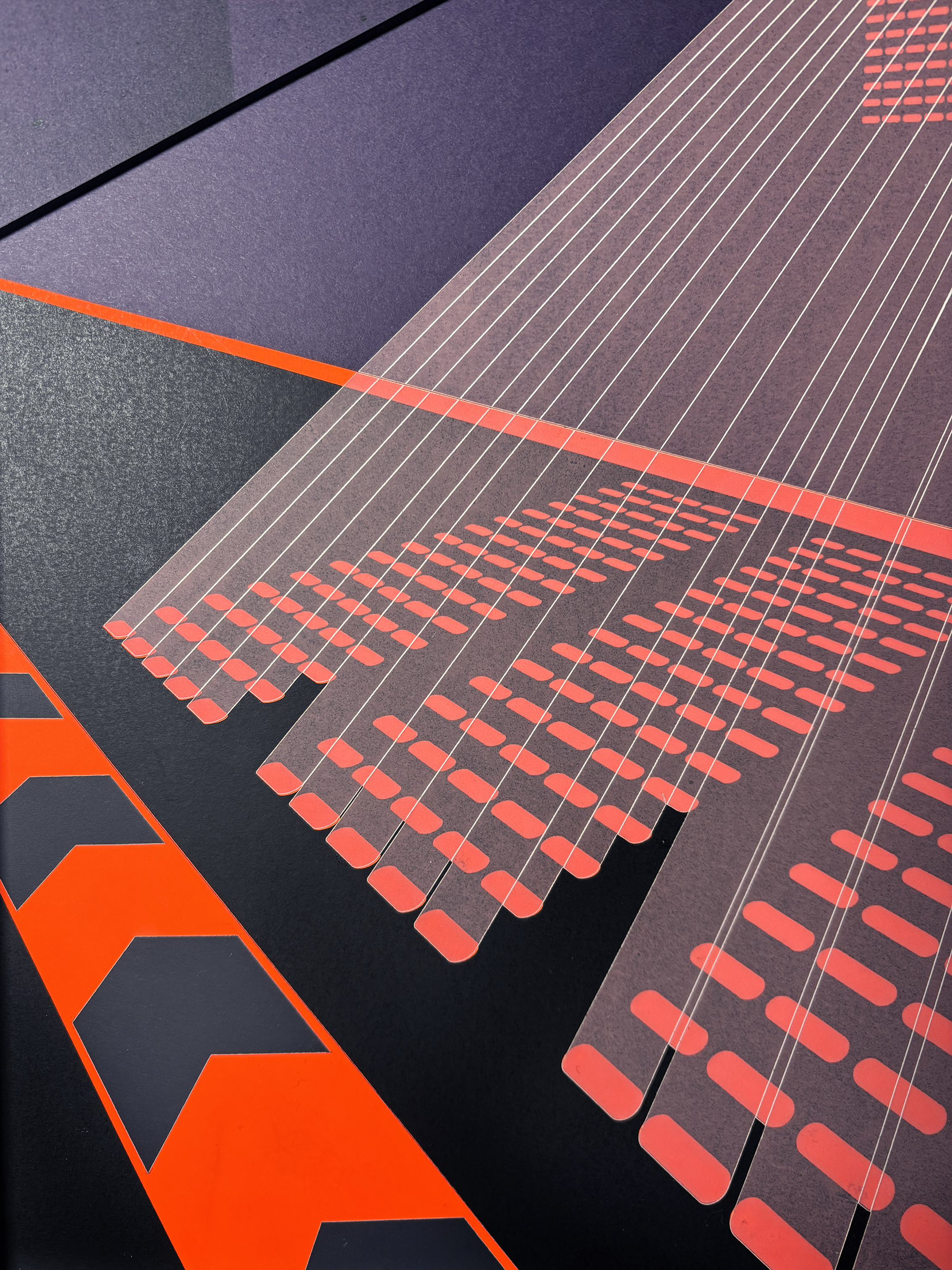
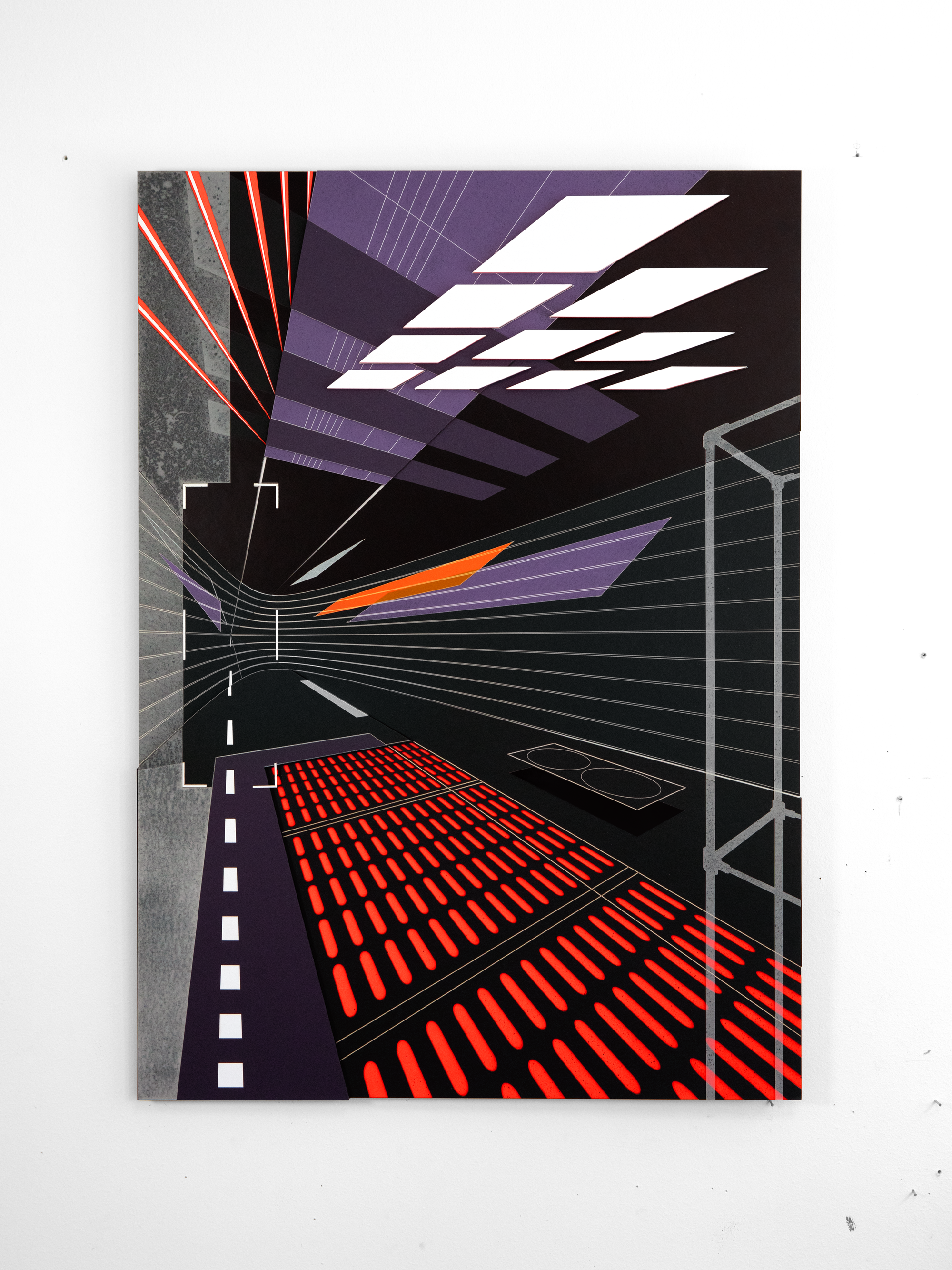
This direction, art bridging emotion and environment, came to her after a life-altering leg injury that forced her to stop walking, cycling, and even sitting in a chair for months amid constant pain. During her long, frustrating recovery, she began making art about London nightclubs and techno culture, longing for an experience her body wouldn't allow her to have. The response to these works was strong enough to lead her to continue investigating this niche. "Embarking on this project restored a sense of purpose in me that I still feel driven by."
As for what's next, she wants to keep building out the club-culture body of work, recently venturing to make covers and visuals for techno music. A spatial reading is still at the heart of these projects, but it is driven by the imaginary spaces that music can create and embody. She continues to create tactile layered pieces for this, although the slow disappearance of physical art materials, paper especially, is complicating that. She describes chasing suppliers only to be told, again and again, that the range she wants is being discontinued. "It feels like I'm constantly grasping for dissolving wisps of smoke," she says. It's not just a materials problem to her...it's a signal. "I think there is a parallel here with digital and AI processes taking over the creative industry. It makes me sad - it feels a bit like I'm witnessing the death of craft in real time."With this in mind, she hasn't ruled out a return to animation, especially stop motion, building scale models and sets from scratch. For now, though, the paper stays central: layer by layer, building connections between music, memory and physical environments.
Follow us on Instagram for more.