In the hands of Bernardo Martins, faces become fluid. Familiar, but impossible. Beautiful, but slightly unreal. Operating under the name Figa.Link, the Brazilian-born, Berlin-based artist has built a distinct visual language through AI-altered portraiture, one that sits somewhere between fashion image-making, speculative identity, and digital hallucination.
Rooted in photography, design, and generative technologies, Martins’ work explores how beauty is constructed, consumed, and manipulated in contemporary culture. His portraits don’t document real people. Instead, they construct entirely new presences, figures that feel emotionally recognisable despite never having existed at all.
You’ve likely encountered his work already. From the make-up visuals surrounding Rick Owens’ AW26 universe to the visuals for Slim Soledad and Clementaum’s single Mapoas Only, Martins’ imagery has quietly embedded itself into the darker edges of contemporary fashion and music culture.
Now, that body of work is moving beyond the screen with the release of his debut book, Save Face. More than a retrospective, the publication acts as a physical archive of the digital identities he has created so far. For Martins, the transition into print carries weight. Images designed for endless scrolling suddenly become fixed, tangible, unavoidable.
The project isn’t framed as a prediction of the future or a statement on artificial intelligence. If anything, it’s the opposite. Save Face is concerned with the present moment: how we look, how we perform identity online, and how technology is already shaping visual culture in real time. As Martins puts it, the book doesn’t introduce something new, it simply gathers the faces he’s encountered along the way.
The book has already surpassed its pre-sale target, meaning Save Face is officially going into production. What began as an independent publishing ambition has now become a realised physical archive of Martins’ evolving digital universe.
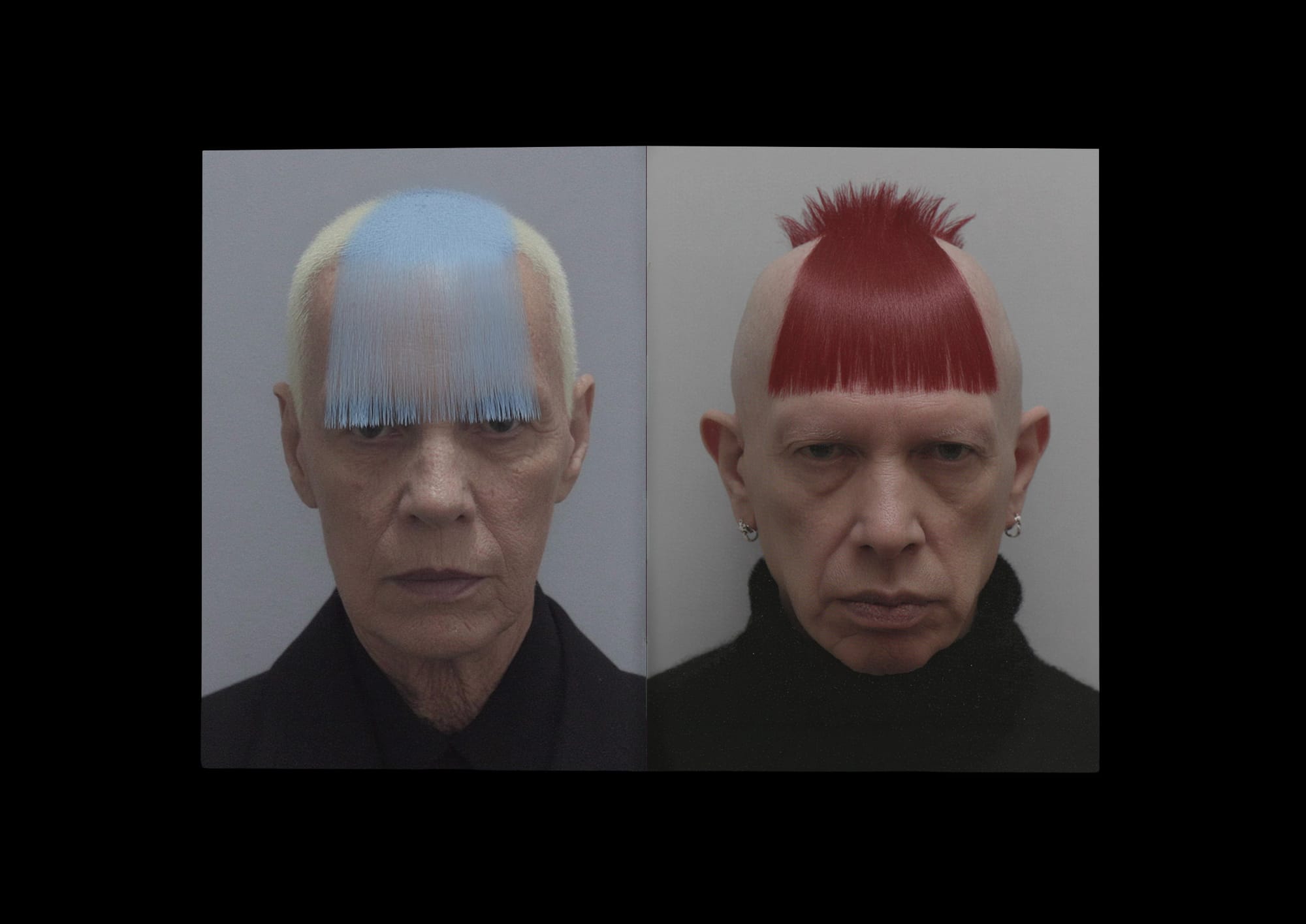
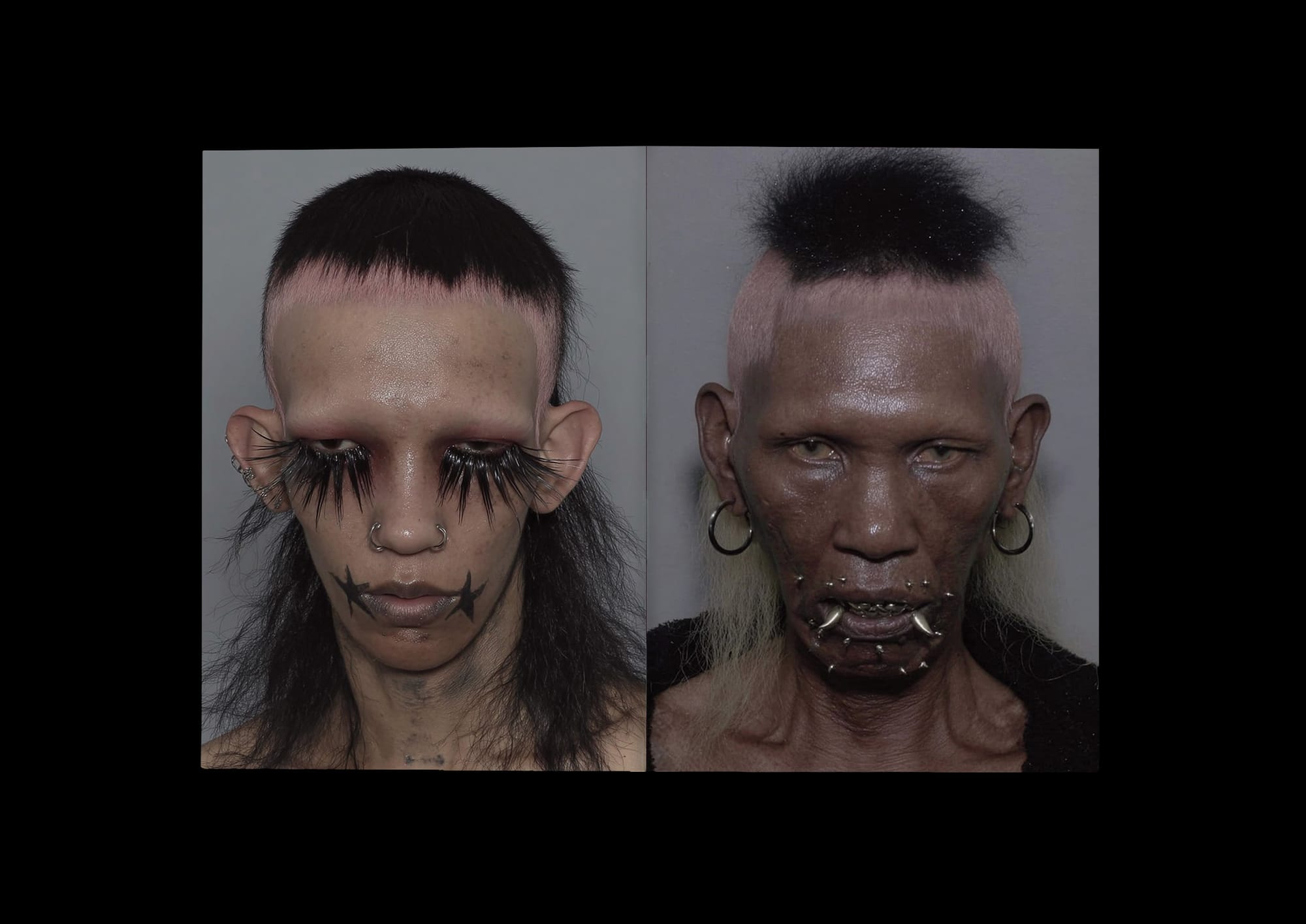

Before relocating to Berlin in 2019, Martins was already working extensively in portrait photography. The move marked a turning point creatively, but not without burnout. After stepping away from image-making entirely for a year, he returned to find both himself and the technology transformed. AI image generation had evolved rapidly, and with it came a new sense of control.
For Martins, AI wasn’t a replacement for authorship, but an expansion of it. A tool that allowed him to fully shape the final image without compromise. Still, he resists being defined solely through the technology. Photography remains central to his practice, and he hopes to eventually return to it more directly, carrying these new perspectives with him.
Underlying the work is a wider frustration with the systems surrounding art and beauty. Martins speaks openly about the pressure capitalism places on creative identity, the way aesthetics, productivity, and survival become entangled. The tension between artistic freedom and financial reality lingers over both his work and the wider creative industry.
Visually, the output remains sharp, seductive, and emotionally charged. Martins describes it simply: digital, strong, beautiful. But beneath the surface sits something more reflective, a curiosity about what images reveal about the people creating them.
Save Face captures that tension perfectly. Portraits suspended between realism and fiction. Faces sculpted from code, instinct, and imagination. A document of a creative practice still unfolding in real time.
Pre-order your copy of ‘Save Face’ here.